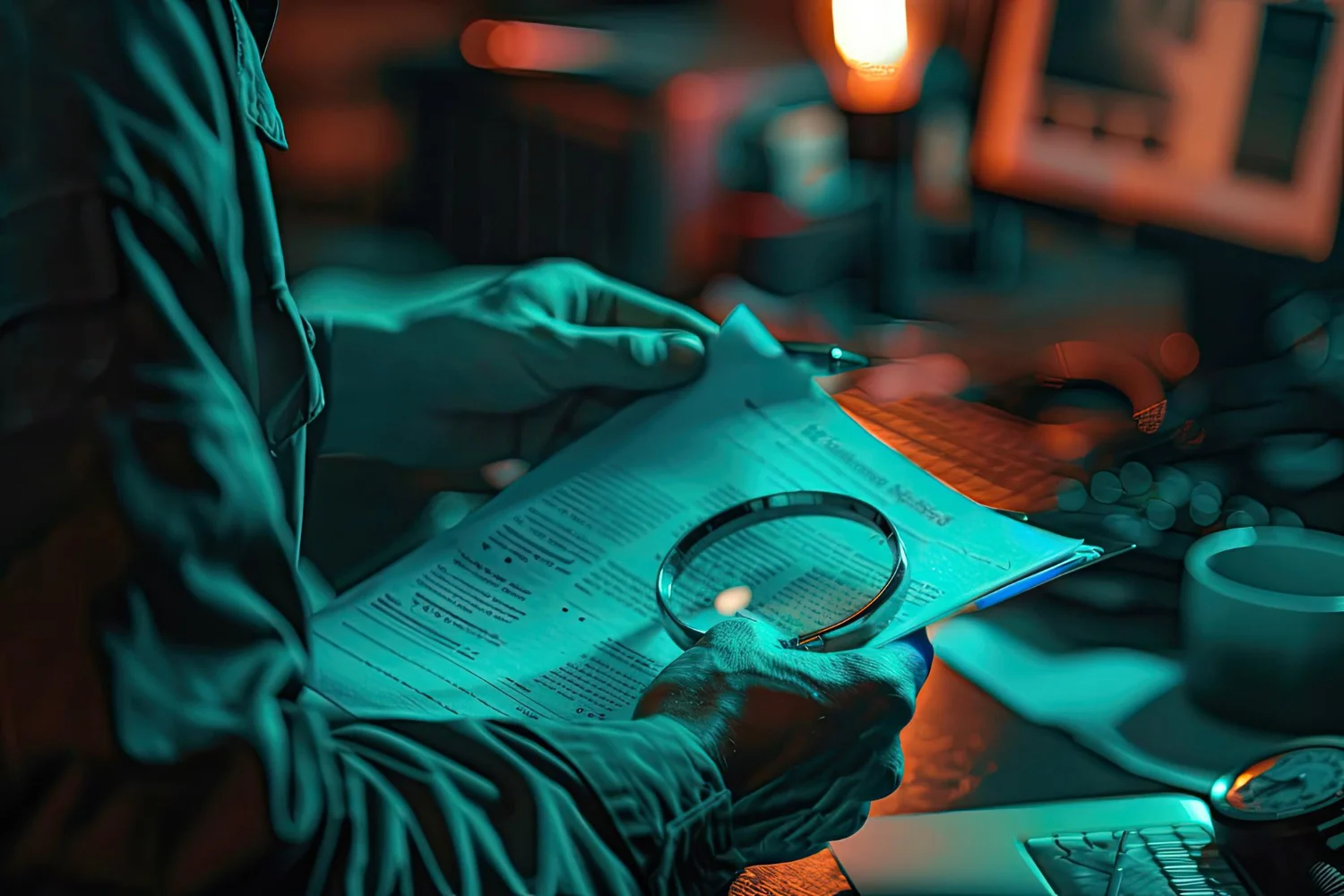
Forensic science careers sit at the intersection of science and the justice system. The evidence you analyze determines whether someone goes free or gets convicted. These roles are technical, demanding, and directly tied to case outcomes.
This guide covers the top forensic science career paths, what each requires, what they pay, and how to break in.
What Forensic Science Professionals Do
Forensic scientists apply scientific methods to evidence collected from crime scenes. They work in labs, in the field, and in courtrooms. Their findings are presented as expert testimony and used to support or challenge prosecutions.
The field covers biology, chemistry, physics, digital technology, psychology, and medicine. Specialization is common. Most forensic professionals focus on one discipline rather than working across all of them.
Top Forensic Science Careers
Forensic Science Technician
This is the most common entry point in the field. Technicians collect, process, and analyze physical evidence. Work includes examining fingerprints, bodily fluids, firearms, and trace materials like fibers or glass.
Most positions require a bachelor’s degree in forensic science, chemistry, or biology. The national median salary is approximately $61,000 per year.
DNA Analyst
DNA analysts process biological samples and interpret genetic profiles for criminal investigations. This is one of the most technically demanding forensic roles. A strong background in biology, biochemistry, or molecular biology is required.
Many positions require a master’s degree for lab director-track roles. Salaries typically range from $55,000 to $85,000 depending on agency and experience.
Forensic Toxicologist
Toxicologists determine the presence and effect of drugs, alcohol, and poisons in biological samples. They support cases involving DUI, poisoning, drug-facilitated crimes, and suspicious deaths.
A degree in toxicology, chemistry, or pharmacology is standard. Many toxicologists hold advanced degrees. Median pay falls between $60,000 and $90,000.
Digital Forensics Analyst
Digital forensics specialists recover and analyze data from computers, phones, and other devices. They handle cases involving cybercrime, fraud, child exploitation, and corporate misconduct.
Backgrounds in computer science, cybersecurity, or information systems are the most competitive. Demand is growing faster than supply, which pushes salaries higher. Entry-level roles start around $60,000. Experienced analysts in private sector roles routinely earn $90,000 to $120,000.
Ballistics Expert (Forensic Firearms Examiner)
Ballistics experts analyze firearms, ammunition, and gunshot residue to link weapons to crimes. The work requires specialized training in firearms and tool mark examination.
Most examiners start as crime lab technicians and develop the specialization over time. Salaries align with senior forensic technician pay, typically $65,000 to $85,000.
Forensic Pathologist
Forensic pathologists determine the cause and manner of death through autopsies and tissue analysis. This is the highest-credentialed and highest-paid forensic role. It requires a medical degree (MD), residency in pathology, and fellowship in forensic pathology.
Forensic pathologists working as medical examiners earn between $150,000 and $250,000 depending on jurisdiction and experience.
Forensic Psychologist
Forensic psychologists assess the mental state of defendants, determine competency to stand trial, and consult on criminal profiling. A doctoral degree (PhD or PsyD) is required for clinical practice. Master’s-level positions exist in research and consulting.
Salaries range from $75,000 for entry-level government roles to $130,000 or more for experienced clinicians in private practice or federal positions.
Crime Scene Investigator (CSI)
CSIs document crime scenes, collect evidence, photograph physical details, and maintain chain of custody. Some agencies hire civilians with forensic science degrees for CSI roles. Others require sworn officer status.
Median pay is approximately $59,000 nationally. Larger agencies in major cities pay considerably more.
Fingerprint Examiner (Latent Print Analyst)
Latent print analysts identify and compare fingerprints found at crime scenes. Training is highly specialized and often acquired through apprenticeship within a crime lab.
Most examiners hold science degrees and complete agency-specific certification programs. Salaries are similar to forensic technician pay ranges.
Education Requirements for Forensic Science Careers
Bachelor’s Degree
A four-year degree in forensic science, chemistry, biology, or criminal justice is the baseline for most lab roles. Programs covering both hard sciences and criminal procedure give you the strongest preparation.
Master’s Degree
Advanced degrees are required or strongly preferred for DNA analysis, supervisory lab positions, and research roles. A master’s in forensic science or a specialized discipline (toxicology, digital forensics) significantly increases earning potential.
Doctoral Degree (PhD or MD)
Required for forensic pathology, clinical forensic psychology, and high-level academic research. These are the most competitive and highest-compensated positions in the field.
Certifications
Professional certifications from bodies like the American Board of Criminalistics (ABC) or the International Association for Identification (IAI) strengthen your credentials. Many agencies require or prefer certified candidates for promotion into senior roles.
Where Forensic Scientists Work
Most forensic science positions are in government labs at the local, state, or federal level. The FBI, Drug Enforcement Administration, and Department of Defense all operate large forensic operations.
Private sector demand is growing. Law firms, insurance companies, and corporate legal departments hire forensic consultants. Academic and research institutions employ forensic scientists to develop new methodologies and train the next generation.
Career Outlook for Forensic Science
The Bureau of Labor Statistics projects steady demand for forensic science technicians. Digital forensics is the fastest-growing segment by a significant margin, driven by the volume of cybercrime and electronically stored evidence in modern investigations.
Specialization increases both marketability and salary. Generalist forensic technicians face more competition than analysts with deep expertise in a specific discipline.
Start Your Forensic Science Career
You now know which roles exist, what they require, and what they pay. The right forensic science program is the fastest way to qualify for the roles you are targeting.